
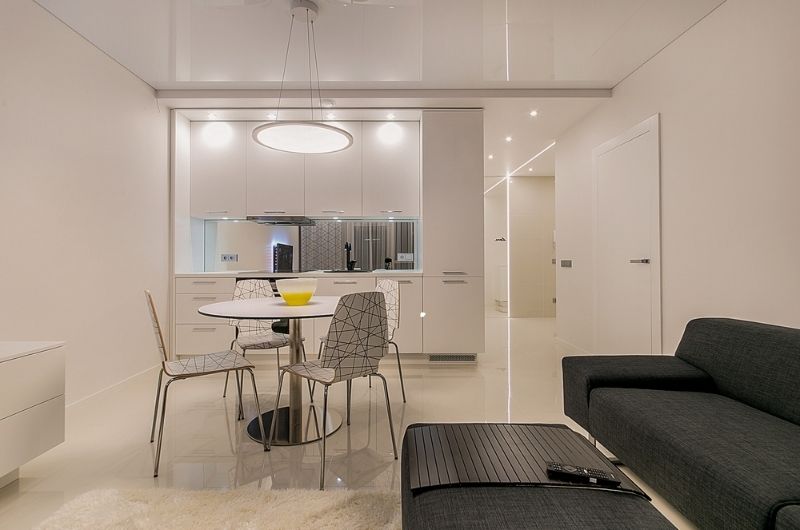
Imagine stepping into your home after a long day, and instead of chaos, you are greeted by a serene, well-organized space that feels like it was tailored just for you. This is the magic of residential interior design. The design of your home goes far beyond just placing a few pieces of furniture or choosing a color for the walls. It’s about creating a space that reflects your personality, improves your daily functionality, and fosters a sense of comfort and happiness. That’s where a professional interior designer comes in. By leveraging their expertise in design principles, an interior designer can transform any space into a harmonious environment that perfectly aligns with your lifestyle and preferences.
Whether you’re looking to revamp your living room, redesign your kitchen, or completely overhaul your entire home, an interior designer plays a crucial role in turning your vision into reality. In this blog post, we’ll explore how residential interior design can transform your home, from space planning to color schemes, and how collaborating with an expert can make all the difference.
Why Hire an Interior Designer?
When you think about interior design, it’s easy to assume that anyone can throw a few pieces of furniture together and call it a day. However, professional interior designers bring something invaluable to the table that you might not be able to achieve on your own – a well-rounded understanding of design elements, aesthetic trends, and the technical know-how to make your space work both visually and functionally.
One of the key reasons to hire an interior designer is their ability to create harmonious spaces that are tailored to your specific needs. They understand how to mix colors, textures, and materials to achieve a balanced look that is aesthetically pleasing and comfortable. More importantly, an interior designer can incorporate your personality into every corner of the room, ensuring that your home feels authentic and welcoming.
Additionally, interior designers are equipped with resources and knowledge that help them source high-quality furniture, fixtures, and materials that may not be readily available to the average consumer. They are also skilled at navigating budgets, ensuring you get the best value for your investment. By collaborating with an expert, you are essentially investing in your home’s future, knowing that every detail will be meticulously curated to enhance the overall look and feel.
Understanding Residential Interior Design
Residential interior design is distinct from other types of design, such as commercial design, due to its emphasis on personal expression and comfort. While commercial design might prioritize functionality and brand identity for businesses, residential interior design focuses heavily on creating an environment that resonates with the individuals who will live there.
At the core of residential interior design is personalization. It’s about creating a space that not only looks beautiful but feels like home. A professional interior designer considers various factors such as the home’s layout, natural light, and the personal preferences of its inhabitants to craft a design that enhances both aesthetics and functionality. This might include finding the right furniture to complement your living space, selecting a color scheme that enhances your mood, or designing a custom-built storage solution for a more organized home.
Unlike commercial spaces, residential designs often incorporate elements of intimacy and comfort, from soft textiles to cozy lighting, making every corner of your home feel warm and inviting. Residential interior design allows for creative freedom, with designers helping homeowners express themselves in ways that suit their individual tastes and lifestyle.
Key Aspects of Residential Interior Design
Space Planning and Layout
One of the first and most important aspects of residential interior design is space planning. An interior designer’s expertise in optimizing a room’s layout ensures that the space is both functional and aesthetically pleasing. They take into account the size and shape of the room, the placement of doors and windows, and the flow of natural light when determining the best layout for furniture and decor.
For example, if you’re working with a smaller living room, an interior designer can suggest multi-functional furniture that serves more than one purpose, such as a sofa bed or an ottoman with hidden storage. They can also recommend layouts that maximize the space’s potential, ensuring that it doesn’t feel cramped or cluttered. Effective space planning also includes attention to the needs of the people using the space. Whether it’s creating a cozy nook for reading or designing an open-plan kitchen for family gatherings, an interior designer ensures that every inch of your home is utilized efficiently without compromising on style.
Color, Materials, and Textures
The role of color in residential interior design is crucial as it can dramatically influence the mood and atmosphere of a room. An interior designer expertly selects color palettes that suit the intended purpose of each space. For instance, calming blues and greens may be chosen for a bedroom to promote relaxation, while energizing yellows or oranges could be used in a home office to spark creativity. Color psychology plays a significant role in how we experience a room, and an interior designer knows how to choose hues that foster the desired emotional response.
Along with color, the selection of materials and textures is another defining element of interior design. Whether it’s the softness of velvet curtains, the warmth of wooden floors, or the sleekness of modern metallic finishes, textures play a key role in making a room feel inviting and balanced. Interior designers are skilled at blending different materials and textures to create a tactile experience that is both visually appealing and comfortable. A professional’s touch ensures that all these elements come together seamlessly, creating a cohesive and harmonious look throughout your home.
Furniture and Fixtures
Furniture and fixtures are the building blocks of any interior design, and choosing the right pieces can make or break a room’s overall aesthetic. An interior designer is adept at selecting furniture that complements the style of the room while ensuring it is functional and comfortable. They understand the importance of scale, ensuring that the furniture is appropriately sized for the space. For example, oversized furniture in a small room can make the space feel crowded, while too-small pieces in a large room may appear insignificant.
Additionally, the choice of fixtures, such as lighting, hardware, and decor, plays an important role in bringing the entire design to life. Lighting can be used to highlight key design elements, create ambiance, or even make a room feel larger. Fixtures such as mirrors, art pieces, and decorative objects help complete the design and infuse the space with personality.
Collaborating with an Interior Designer
The Process of Working Together
When working with an interior designer, the process typically begins with an initial consultation, where you’ll discuss your goals, budget, and design preferences. This stage is crucial for establishing a clear vision and understanding the scope of the project. After that, the designer will begin creating a design plan, which may include mood boards, floor plans, and 3D renderings to help you visualize the space.
Once the design is finalized, the interior designer will manage the execution, from sourcing furniture to coordinating contractors for any necessary renovations. Throughout the process, you’ll collaborate with the designer to ensure that the project stays aligned with your vision. Professional interior designers have the expertise to handle any challenges that arise, from last-minute changes to design adjustments, ensuring that everything runs smoothly.
Client-Designer Collaboration
Effective communication is key to a successful partnership with your interior designer. It’s important to share your ideas, preferences, and any concerns upfront, so the designer can tailor the design to suit your needs. Regular updates and discussions during the design process help ensure that you’re both on the same page and that the final design reflects your vision. The best designers work collaboratively with their clients, blending professional expertise with the client’s personal tastes to create a space that truly feels like home.
Real-life Success Stories
Transformations of Real Homes
To truly appreciate the impact of residential interior design, it’s helpful to look at real-life examples. Many homeowners have experienced the remarkable transformation that comes with working with an interior designer. For instance, a cramped city apartment may be transformed into an open and airy space through clever space planning and the use of multi-functional furniture. Similarly, a dull and uninspiring living room can be brought to life with a fresh color palette, textured fabrics, and custom-made furniture that speaks to the homeowner’s style.
Designer’s Insights
Professional interior designers often share insights about common design mistakes and how to avoid them. One mistake is neglecting the importance of lighting, which can make or break a room’s ambiance. Another is choosing overly trendy furniture or decor that may quickly go out of style. A seasoned designer will help you select timeless pieces that reflect your personal style and stand the test of time.
Conclusion
Residential interior design is more than just about decorating – it’s about creating a space that enhances your life, improves functionality, and reflects your unique personality. By hiring a professional interior designer, you are investing in the quality, aesthetics, and long-term value of your home. From space planning to color choices and furniture selection, an interior designer brings expertise and creativity that can transform any room into a personalized sanctuary. Whether you’re redesigning a single room or your entire home, working with a skilled interior designer ensures that your vision comes to life in a way that maximizes both beauty and functionality.